DNS and certificates
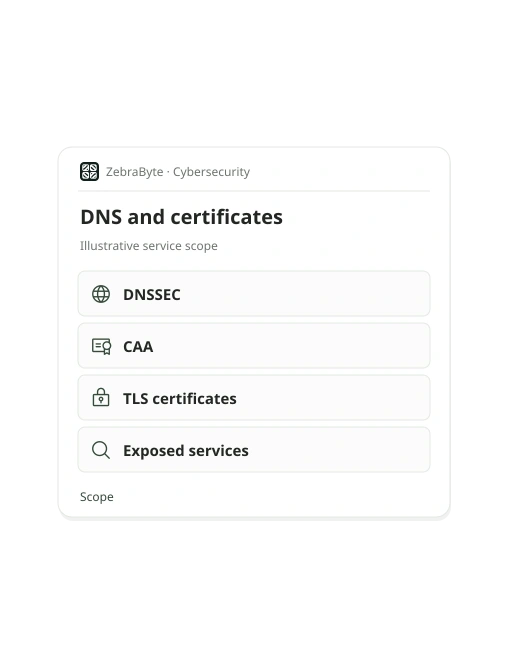
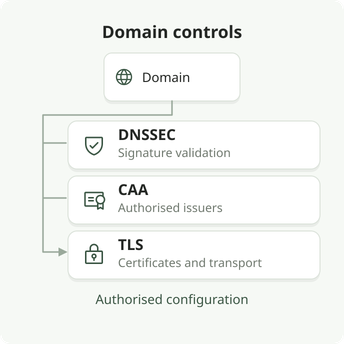
Review DNS records and exposed services in agreed scope, then configure DNSSEC, CAA and TLS certificates on compatible domains. Exposure assessment is distinct from ongoing management under Managed Cybersecurity.

ZebraByte service access
Choose the service you want to manage.
Management of DNS, Zero Trust, web filtering, email security and endpoint integrations within contractual and licensing boundaries.
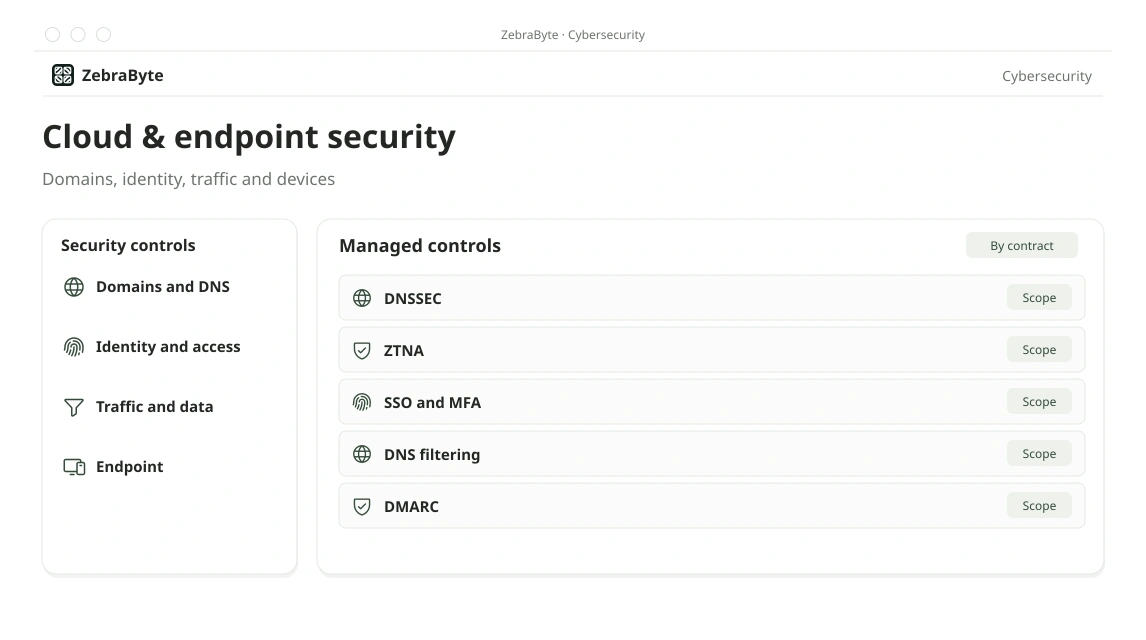
Infrastructure protection is not a single product. We combine domain, identity, access, traffic and device controls within contracted scope, according to customer environments and licences.
Reduce domain configuration exposure through DNSSEC, CAA policies and TLS certificate management on compatible infrastructure.
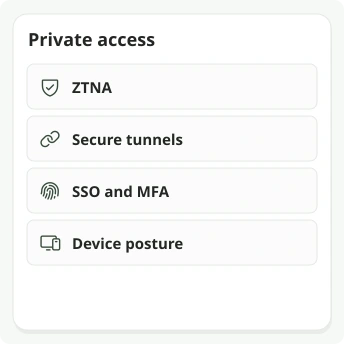
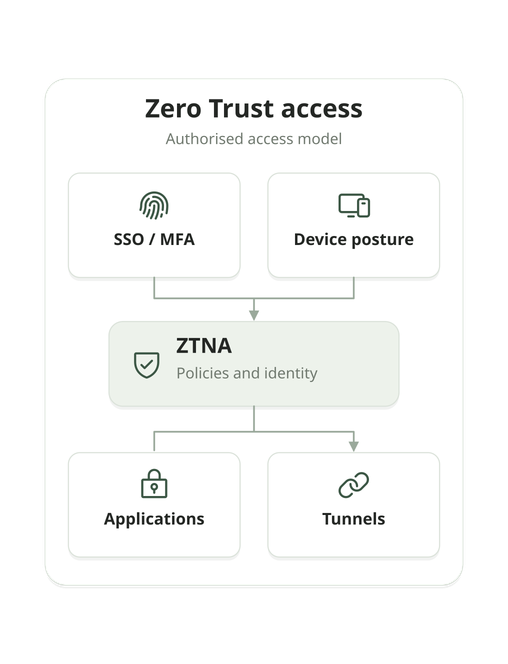
Control access to authorised applications through ZTNA, tunnels, identity, SSO and MFA with agreed permissions and groups.
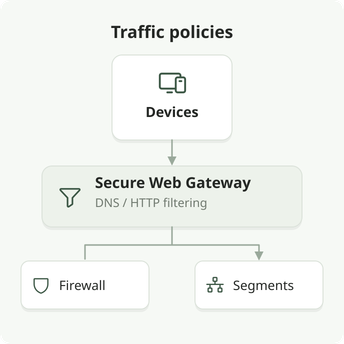
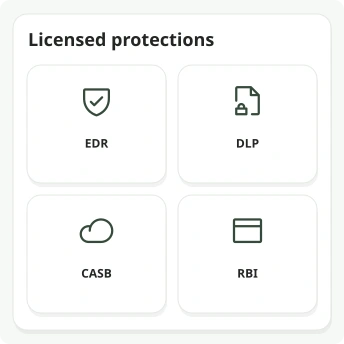
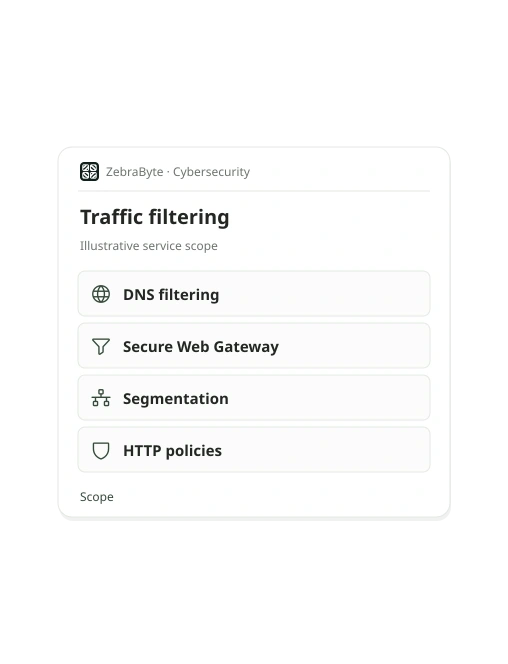
Manage DNS and HTTP filtering, traffic policies and segmentation. DLP, CASB and RBI are options requiring compatible licences.
Device posture checks support access policies. Existing EDR integration is distinct and depends on compatibility and licensing.
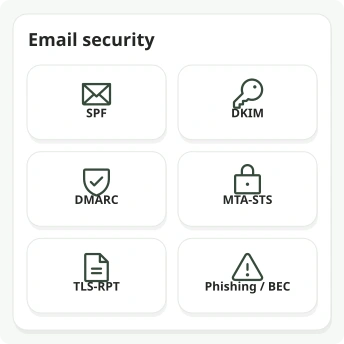
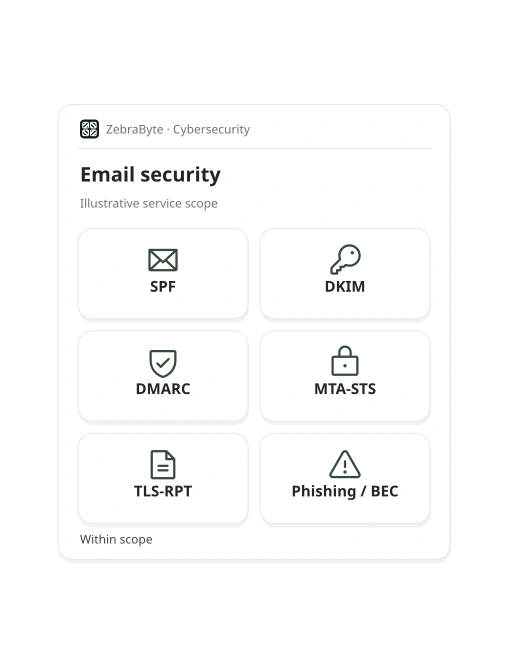
Configure email domain authentication and secure transport. Phishing/BEC protection and advanced integrations are licensed options.
From domain and application inventory to access, filtering and integration policies, we distinguish managed controls from additional licensed capabilities.
Full coverage and licensed options are shown in Pricing.
Review DNS records and exposed services in agreed scope, then configure DNSSEC, CAA and TLS certificates on compatible domains. Exposure assessment is distinct from ongoing management under Managed Cybersecurity.
Configure private application access through ZTNA and secure tunnels. Identity, SSO, MFA, group access, device posture and privilege reviews apply to authorised assets.
Manage DNS filtering, domain categories, Secure Web Gateway and HTTP policies for managed devices. Firewall policies and segmentation restrict communications within contracted scope.
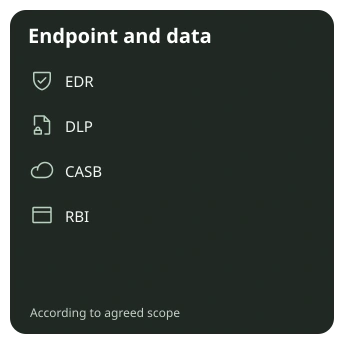
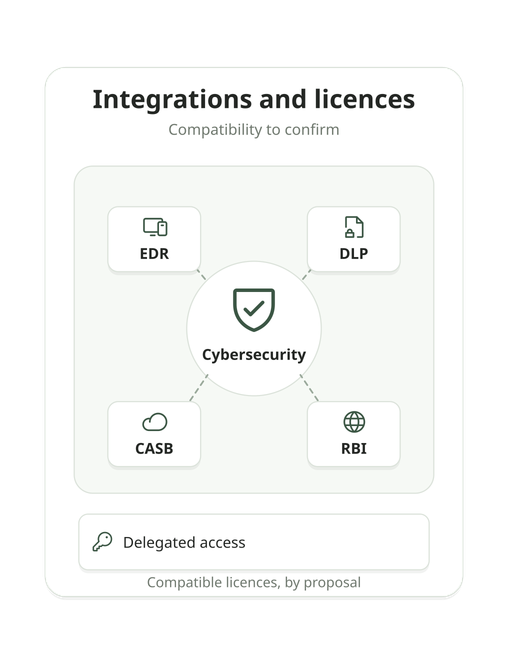
Device posture checks support access decisions. Existing EDR integration, data loss prevention, SaaS security through CASB and remote browser isolation require compatible licences.
Configure SPF, DKIM, DMARC, MTA-STS and TLS-RPT on compatible domains. Phishing/BEC protection, Microsoft 365 or Google Workspace integrations and suspicious sign-in analysis depend on licences and sources.
Managed Cybersecurity includes controls within contracted scope without automatically including additional licences. Compatibility, delegated permissions and RBI, DLP, CASB, EDR or advanced email capabilities are confirmed before implementation.
On working with the ZebraByte team.
“My website had serious security and performance problems. ZebraByte cleaned, secured and migrated it, and the experience following the work has been very positive.”
Featured brands





No. Other environments are eligible subject to compatibility and authorised access.
Not automatically. Filtering and device posture are not EDR; integration with existing EDR requires compatibility and licensing.
They are licensed options confirmed in the proposal.
SPF, DKIM, DMARC and MTA-STS/TLS-RPT on compatible domains according to package; advanced phishing/BEC protection requires licensing.
Customers retain control, with delegated least-privilege access and multifactor authentication.
Application access is granted according to identity, groups and agreed policies. Tunnels, SSO, MFA and device posture checks are configured according to compatibility and contract.
Traffic policies for managed devices can use DNS filtering and Secure Web Gateway within contracted scope. RBI and DLP require compatible licences.
Yes, where the integration is compatible, authorised and covered by agreed licences. Email DNS configuration is not equivalent to advanced phishing/BEC protection.
DNSSEC enables authentication of DNS responses, CAA restricts authorised certificate issuers, and TLS protects communications in transit. Configuration depends on domain and infrastructure compatibility.
Group policies, identity, MFA and segmentation can restrict access to authorised applications. Permissions and session reviews are agreed under Managed Cybersecurity.
Filtering controls destination access and web traffic; EDR monitors and analyses endpoint activity. Existing EDR integration requires compatibility and licences and is not automatically included in filtering.
Asset inventory, delegated access, permissions, licences and contractual boundaries must be confirmed. DNS, access and traffic changes are planned around the existing configuration.
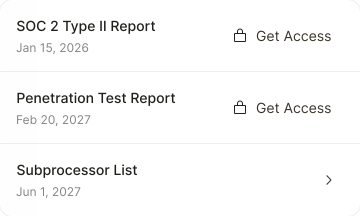
Share security documents securely
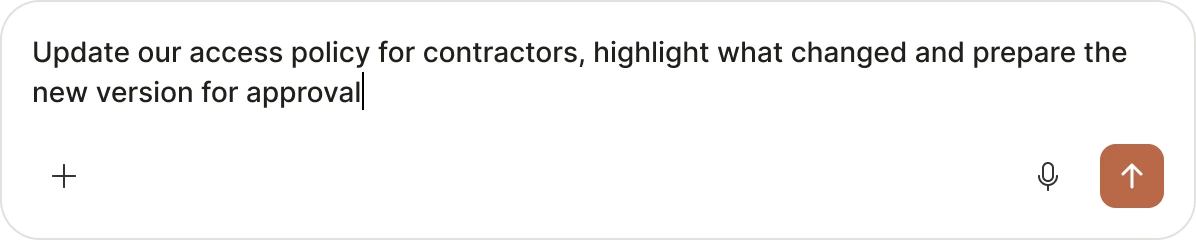
Draft, approve, and sign your policies
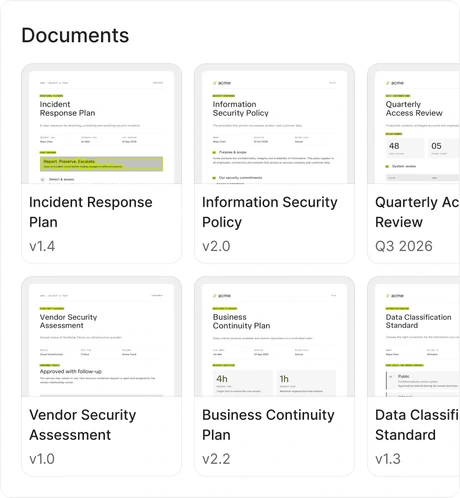
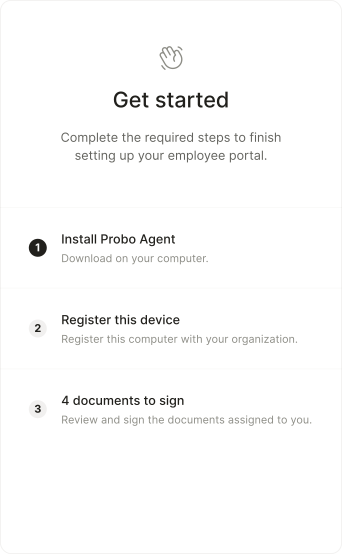
Your whole team’s compliance, in one portal
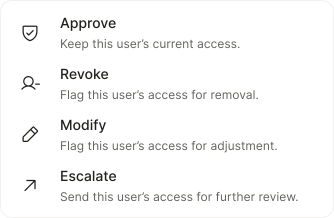
Monitor user access across all your systems
Run compliance from the tools you use
Consent that follows every visitor's law

Monitor device security posture continuously